
For agencies making Facebook ad creative — fast avatar videos for video creators
If you run an agency that produces video for brands, and your briefs target Facebook placements, you need a workflow that generates more ad variants faster without ballooning shoots or tool chaos. This page shows how video-creator teams can use avatar video workflows to launch more Facebook ad tests this week, cut time between brief and live creative, and keep assets reusable for repeat campaigns.
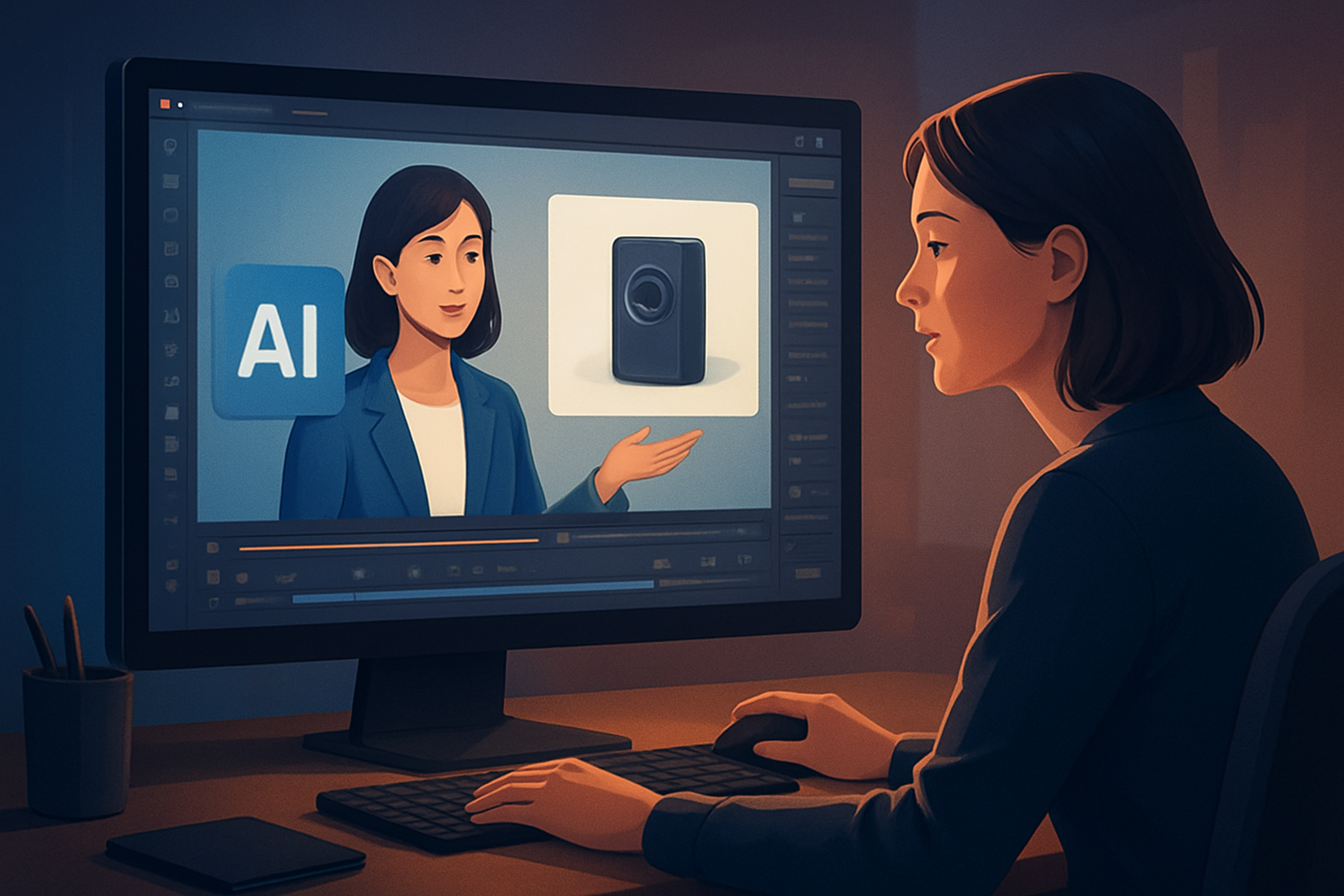
Shorz is a Windows desktop AI video production suite built around that problem: faster first drafts, repeatable output, reusable assets, and less tool switching. Its Avatar mode turns images + scripts or audio into talking-head-style ads that combine with subtitle systems, hooks, music, and multi-aspect previews — all inside one persistent local project workspace.
Why Facebook ad teams need an avatar-first workflow now
- Facebook demands many formats and rapid iteration: feed, Stories, Reels-style short clips, and in-stream placements each need different aspect ratios and thumbnails.
- Ad fatigue kills performance; winning campaigns require fast variant testing and localization.
- Shooting spokesperson footage for each variant — different hooks, languages, CTAs — is slow and expensive.
- Agencies must deliver dozens of variants per campaign while keeping brand safety, subtitles, and audio levels consistent.
Avatar workflows compress production: fewer filmed sessions, faster script-to-publish cycles, built-in subtitle and audio controls, and local asset libraries that scale across campaigns.
Practical workflow you can implement this week
A checklist you can run in 3–5 days per campaign.
Brief and assemble assets (day 1)
- Collect one avatar image per persona, script outlines for 4–6 hooks, brand logos, and music stems.
- Export final scripts into a shared folder for voice or recording.
Produce base avatar takes in Shorz (day 1–2)
- Import avatar image(s) and type or paste a script, or upload recorded audio. Shorz Avatar mode converts that into a talking-avatar video.
- Generate 2–3 base reads (tone or length variants) per script for testing.
Create format and copy variants (day 2–3)
- Use Shorz to preview and export the avatar take in landscape, portrait, and square ratios for Facebook feed and Stories placements.
- Layer title hooks, subtitle tracks, and burn-in CTAs using Shorz’s subtitle and title systems.
- Apply visual polish (auto zoom, face tracking, freeze frame, basic color controls) to match brand guidelines.
Localize and duplicate (day 3–4)
- For each winning script, create dubbed variants using uploaded audio or Shorz narration options, and reuse the same avatar image plus localized subtitles.
- Use Shorz’s audio-mix controls to balance narrator, music, and SFX so ads work with Facebook’s autoplay-muted environment.
Export, package, and launch (day 4–5)
- Generate multiple deliverables: final videos in required ratios, thumbnails created and stored by Shorz, and subtitle files for ad manager uploads.
- Upload organized files into Facebook Ads Manager or your ad-serving stack.
Repeat: because projects and assets live locally in Shorz, you can iterate on winning variants and spin up new localized sets without rebuilding from scratch.
Best tool criteria for agency Facebook avatar ads — and where Shorz fits
When evaluating tools for this workflow, prioritize:
- Fast, usable first drafts plus finishing controls: you need AI generation that doesn’t stop at a raw draft. Shorz combines avatar generation with finishing systems (titles, subtitles, audio mix, visual polish).
- Multi-aspect previews and exports: Facebook needs landscape, square, and portrait-ready files. Shorz previews and exports all three in one project.
- Local asset persistence and reusable libraries: agencies require repeatability and version history. Shorz stores projects and generated assets locally so you can reuse avatars, music, and thumbnails across campaigns.
- Integrated audio and localization support: dubbing, narration, music, SFX, and volume mix inside the app reduce tool switching. Shorz includes these audio capabilities and noise-cleanup patterns.
- Thumbnail generation and asset packaging inside the workflow: thumbnails and project assets should live with video outputs to simplify ad uploads. Shorz generates and stores thumbnails alongside video outputs.
Shorz meets these criteria as a Windows desktop suite tuned for short-form, creator-style, ad, and spokesperson workflows — enabling faster first drafts and repeatable output without moving between half a dozen apps.
Where Shorz sits in your agency stack
- Upstream: creative brief, strategy, and scripts still live in your usual tools. Export script files and avatar images to feed into Shorz.
- Production hub: Shorz is the desktop production workspace where avatar takes are generated, polished, and packaged. It replaces stitching together separate avatar, subtitling, and audio tools for short-form ad creative.
- Downstream: final videos, thumbnails, and subtitle files are exported from Shorz and pushed to Facebook Ads Manager or your ad-serving platform for A/B testing and performance tracking.
Note: Shorz accelerates and compresses the production loop — it’s ideal for UGC-style ads, spokesperson videos, and product promos — but it doesn’t replace every traditional shoot. Use it to reduce filming friction and multiply variants faster.
For adjacent use cases and industry playbooks, see related workflows: AI Avatar Videos for Ecommerce Brands, AI Avatar Videos for SaaS Brands, and AI Avatar Videos for Local Businesses.
FAQ — agency-focused
Q: Can I produce Facebook feed and Story formats from the same project? A: Yes. Shorz previews and exports in landscape, portrait, and square ratios so you can produce the multiple files Facebook placements require without recreating the asset.
Q: How do I handle localization and dubbing for multiple markets? A: Shorz supports uploaded audio, recorded mic input, and narration/dubbing workflows inside the app. Use the same avatar and subtitle presets to create language variants quickly, and store variants in the local project library for reuse.
Q: Will avatars replace filmed spokespeople? A: No — avatars are a production multiplier. They reduce filming friction for many quick variants (UGC-style ads, explainers, promos) but hand-shot creative still has a place for high-end brand storytelling. Shorz compresses ad-creative and spokesperson workflows so you can spend more budget on top-performing formats.
Q: How do I collaborate across agency teams if Shorz stores projects locally? A: Shorz keeps projects and assets on Windows desktops for persistent history and reusable libraries. For team handoffs, agencies typically share project files, exported deliverables, or use shared network storage to move projects between editors.
Q: Can I get thumbnails and subtitles from the same workflow? A: Yes. Shorz generates, stores, and reuses thumbnails and supports subtitle systems alongside titles, music, and audio-mix controls so deliverables are consistent for Facebook uploads.
Q: What finishing controls are available? A: Shared finishing systems in Shorz include subtitles, title hooks, B-roll overlays, borders, music, SFX, volume mix, auto zoom, face tracking, freeze frame, grayscale moments, and basic color controls — all intended to move assets beyond raw AI drafts to publish-ready creatives.
Ready to launch more Facebook ad variants this week?
If your agency wants to scale ad testing with avatar-driven creative — faster first drafts, reusable asset libraries, and fewer tool handoffs — start the workflow with Shorz as your desktop production hub. Create base avatar takes, build multi-aspect variants, localize, finalize audio mixes, and export organized deliverables for Facebook ad buys.
Get practical templates and a streamlined ad-creative pipeline at Avatar Video Ads and UGC-Style Creative Workflows.