
The core bottleneck: speed and repeatability, not creativity
Advertisers launching top-of-funnel (TOF) campaigns hit the same operational wall: you need dozens of distinct creative variants fast — different hooks, aspect ratios, languages — without ballooning production cost or tool sprawl. The common failure modes are scheduling talent, re-shooting small changes, and stitching together multiple apps for avatar creation, audio, subtitles, and finishing. The result: long lead times and inconsistent output.
An AI avatar workflow for TOF ads should be a repeatable system that compresses first drafts, keeps assets reusable, and lets ops iterate off performance data. Below is a step-by-step workflow built for that reality.
Step-by-step workflow for AI avatar TOF ads
Define the test matrix
- Pick 2–3 audience segments and 3 core value propositions (pain, benefit, offer).
- For each segment, plan 6–12 micro-variants (different hooks, CTAs, and thumbnails).
Write rigid micro-scripts (15–30 seconds)
- Keep scripts short, with a single idea per variant.
- Lead with a hook in the first 3 seconds and end with a one-line CTA.
- Create a master copy and then swap hooks/CTAs to make variants.
Create avatar assets
- Produce or select a clear headshot (or brand image) and decide on voice source (typed script, uploaded audio, or recorded microphone input).
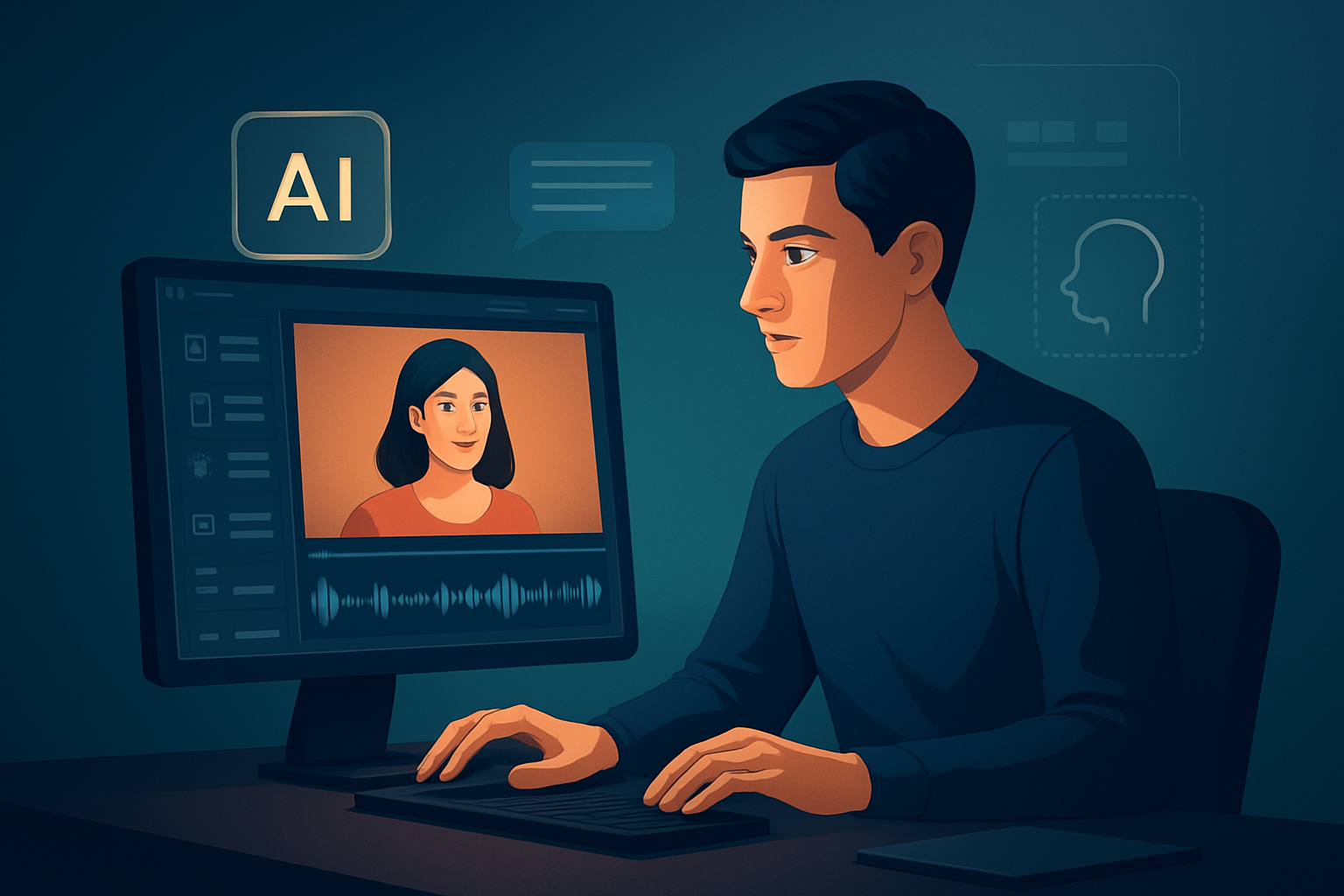
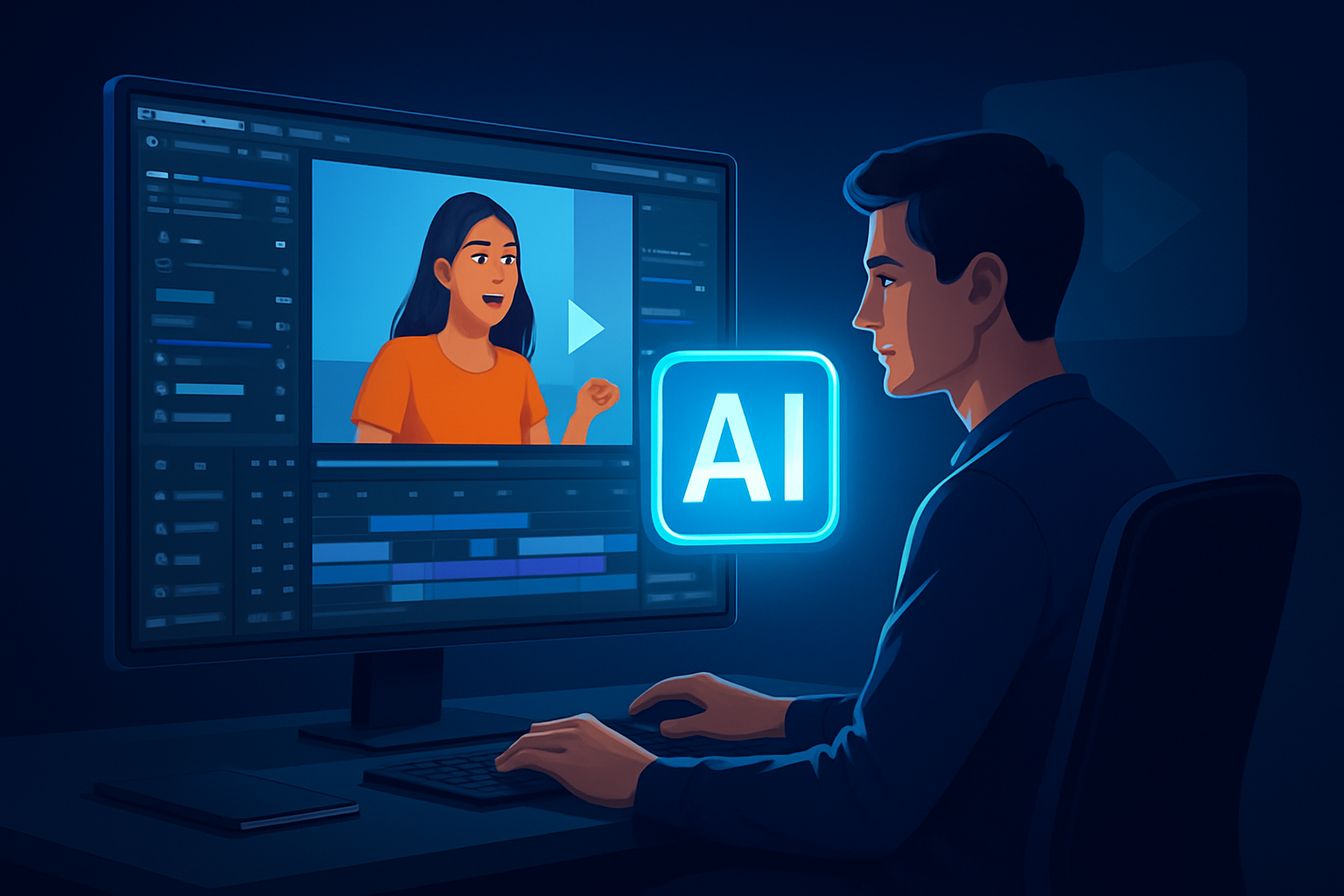
- In Avatar mode, generate talking-avatar takes from image + script/audio.
Build creative templates
- Assemble a baseline ad template with title hooks, subtitle styles, music bed, and an overlay treatment.
- Save that template to your asset library so every avatar take can be dropped in and finished consistently.
Batch-generate variants
- Swap hooks, voice cadence, or language and export multiple aspect ratios (landscape, portrait, square) for each variant.
- Generate alternative thumbnails and short intros where needed.
Finish and QA inside one workspace
- Add subtitles, sound effects, volume balancing, auto-zoom/face-tracking adjustments, and branding overlays.
- Preview outputs in target ratios and export final files.
Launch, measure, iterate
- Push top performers to scale, iterate on the hooks that worked, and produce localized variants for winning concepts.
Tools you need (where Shorz fits)
- Script editor: for fast micro-script drafts.
- Voice capture / TTS: record voiceover or generate audio for avatars.
- Ad testing platform: to run creative A/B tests and collect early signals.
- Asset storage: shared drive for logos and brand guides.
- Video editor with avatar and finishing features: Shorz is a Windows desktop AI video production suite that combines Avatar mode, Text-to-Video, Auto Edit Video, and Podcast workflows in one persistent workspace. It supports:
- Avatar creation from image + script or audio.
- Built-in voice, narration, dubbing, music, SFX, and audio-mix controls.
- Subtitles, title hooks, B-roll, overlays, and multi-aspect preview (landscape/portrait/square).
- Local asset library ("My Assets") for reusable images, generated thumbnails, audio, and past projects.
- Optional: stock footage libraries and thumbnail design tools (Shorz can generate and reuse thumbnails inside projects, reducing need for external tools).
For UGC-style ads or specific verticals, see workflow examples: AI Avatar Workflow for UGC-Style Ads, AI Avatar Workflow for B2B Ads, and for multi-language campaigns: AI Avatar Workflow for Multi-Language Ads.
Common mistakes to avoid
- Treating avatars like generic stock footage: avatars need crisp hooks and natural cadence to appear authentic.
- Overlong intros: top-of-funnel content must communicate value in the first 3–5 seconds.
- One-format thinking: not exporting portrait/square cuts for mobile-first platforms kills reach.
- Siloed asset creation: creating thumbnails, subtitles, and audio in separate apps increases rework.
- Skipping audio mix: ads with poor level balance underperform regardless of visual quality.
- Not templating: rebuilding the same overlays and titles wastes time and reduces consistency.
Optimization tips that actually move metrics
- Test hooks, not polish. Produce more hook variants quickly and A/B the best.
- Use captions by default; many users watch on mute.
- Keep CTAs micro and measurable: “Sign up for 10% off” vs. vague “Learn more.”
- Use auto-zoom and face-tracking sparingly to keep the avatar engaging on small screens.
- Leverage dubbing/localization when expanding markets — prioritize best-performing creative for translation.
- Batch exports by aspect ratio to ensure each ad matches platform specs.
- Reuse thumbnails and test thumbnail + first 3s as a package — sometimes the thumbnail drives lift more than the video.
How to scale the workflow
- Build templates per channel (Reels, Stories, In-Feed) and reuse them across campaigns.
- Maintain a project library with winning scripts, voice profiles, and thumbnail variants for quick cloning.
- Automate batch avatar generation: feed a spreadsheet of hooks + CTAs into your script pipeline and batch-render in a dedicated session.
- Standardize finishing presets (subtitle style, music mix, intro/outro length) so editors can deliver consistent outputs without rethinking every element.
- For localization, operate in two passes: translate and auto-dub winners, then human-tune top performers.
Shorz’s local project persistence and reusable asset library make scaling through templates and rapid reuse practical inside a single desktop workspace.
Where Shorz reduces friction in this workflow
- Faster first drafts: Avatar mode generates talking-avatar takes from an image plus script or audio, letting you skip talent scheduling for early tests.
- Less tool switching: Shorz combines avatar generation, dubbing, music, SFX, subtitles, and finishing controls in one Windows desktop app.
- Reusable assets: “My Assets” stores images, audio, generated thumbnails, and past projects locally for repeatable templates and faster follow-ups.
- Multi-aspect previews: preview and export landscape, portrait, and square cuts without bouncing between apps.
- Finish-ready controls: beyond first-draft generation, Shorz offers finishing tools — auto zoom, face tracking, freeze frames, overlays, and volume mix — to produce publish-ready ads faster.
- Localization-ready audio: built-in dubbing and audio-mix capabilities simplify creating language variants for new markets.
These reductions in friction let operators move from concept to publishable variants with fewer handoffs and less rework.
FAQ
Q: Can avatars replace human spokespeople? A: Avatars are best for rapid testing and scaling initial concepts. They speed up early-stage hypothesis testing and localization but don’t always replace the authenticity of human talent for high-investment creative.
Q: How do I localize ads with this workflow? A: Create a base script, translate, then generate dubbed avatar takes and subtitles. Shorz supports dubbing and audio-mix tools inside the app to keep localization within the same workspace.
Q: Are assets stored in the cloud? A: Projects and generated assets in Shorz are stored locally on the Windows workstation, supporting reusable libraries and persistent project history.
Q: What aspect ratios should I export? A: Export portrait, square, and landscape for paid-social coverage. Previewing each ratio before export avoids last-minute rework.
Q: How do I know which variant to scale? A: Use your ad platform’s early engagement metrics (CTR, VTR, CPM) as primary signals. Scale the hooks and thumbnails that outperform on those tests.
Next step
If you want a practical environment that combines avatar generation, audio/dubbing, finishing controls, and a persistent asset library for repeatable ad production, explore avatar-focused ad workflows and examples here: Avatar Video Ads and UGC-Style Creative Workflows.
For vertical or format-specific playbooks, see these deep dives: AI Avatar Workflow for UGC-Style Ads, AI Avatar Workflow for B2B Ads, AI Avatar Workflow for Multi-Language Ads.