The bottleneck: turning newsletter text into publish-ready videos at scale
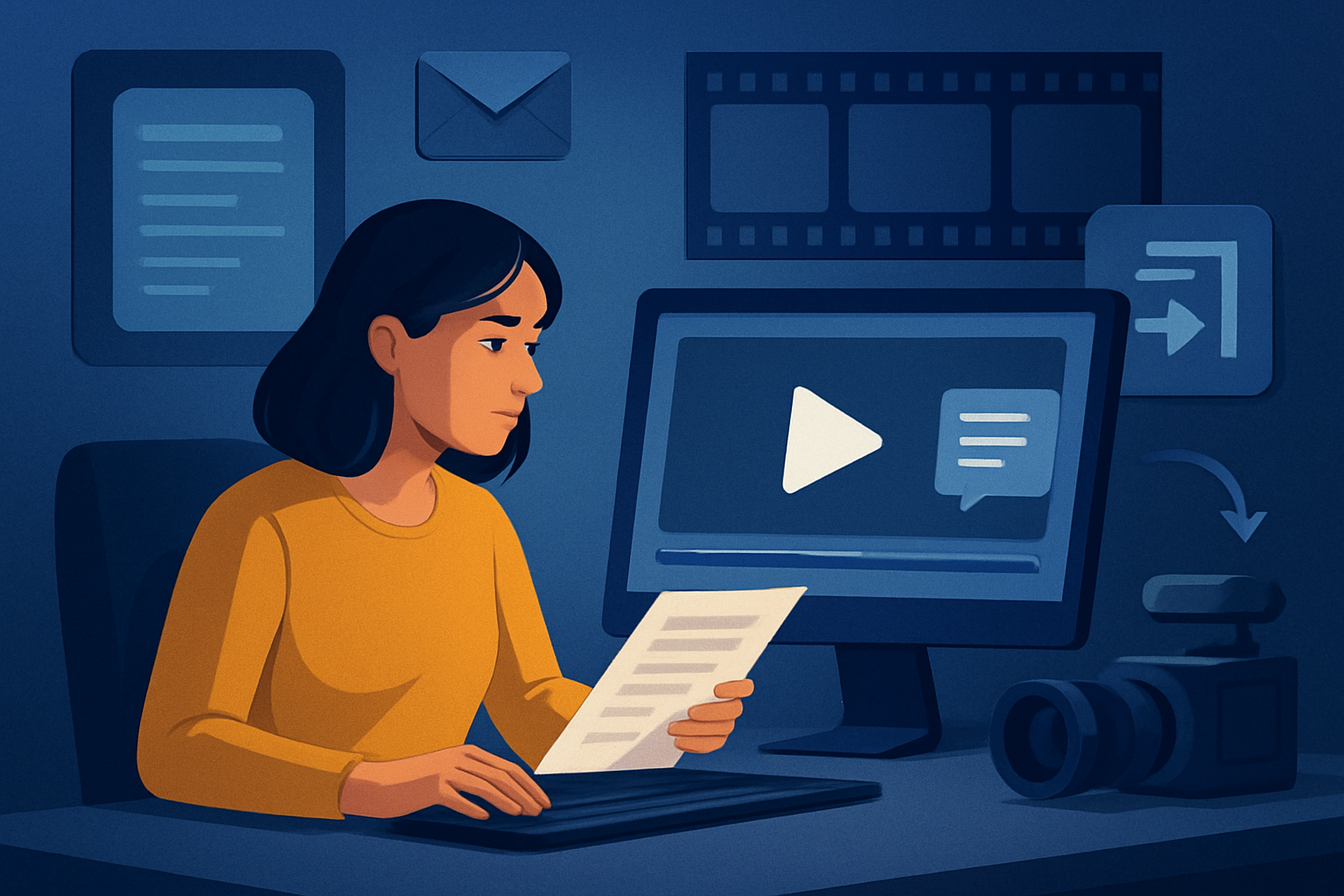
Operators turning newsletter content into short videos hit the same bottleneck: a lot of high-value, structured prose (analysis, examples, CTAs) but no repeatable, fast path from words → polished social video. Teams waste time copying text into multiple tools, hand-editing captions, rebuilding the same visual identity per issue, and producing inconsistent thumbnails and aspect ratios. The result: slow first drafts, lots of rework, and unpredictable output quality.
This article gives a practical, step-by-step newsletter→video workflow you can operationalize, the exact tools you need (including where Shorz fits), common mistakes to avoid, optimization levers, and how to scale the system across issues and channels.
Step-by-step workflow: newsletter to video
Identify the video goal and format
- Pick one deliverable per newsletter: a 30–60s social summary, a 3–6 minute explainer, or a vertical snippet for Shorts/Reels.
- Define the CTA (subscribe, read full piece, webinar signup) and the target aspect ratio.
Extract and structure the script
- Pull the newsletter lede and 3–5 supporting bullets into a short script.
- Write a 1–2 sentence hook (first 3 seconds), two to four core points, and a closing CTA.
- Keep sentences short and spoken-friendly.
Create narration
- Choose whether to record a human voice (batch with a single narrator) or use generated voice options.
- If recording, capture tight takes per section to make editing easier. If using generated voice, prepare the final script and a style reference.
Gather visuals and style references
- Assemble screenshots, charts, author photos, and style reference images that define brand colors, fonts, and mood.
- Collect B-roll that supports each script point.
Build the first draft in a single workspace
- Import the script, narration (uploaded files or voice selection), and assets into your video editor.
- Place the script into scenes, map visuals to lines, and use style references to stabilize composition.
Finish with consistent packaging
- Add subtitles, title hooks, overlays, and a thumbnail that aligns with the newsletter brand.
- Preview in the target aspect ratios (landscape, portrait, square), tweak timing for hooks, and adjust audio levels.
Export master and platform versions
- Export a high-quality master for archive.
- Generate cropped/optimized versions for each social channel and produce thumbnails and captions.
Archive assets for reuse
- Save the project, templates, and generated thumbnails into a persistent library so the next issue starts from a template, not a blank slate.
Tools needed
- Script editor: Notion, Google Docs, or any plain-text editor for versioned scripts.
- Audio capture or TTS: local mic and recorder for human takes, or voice options within your editor for quick narration previews.
- Image/B-roll repository: shared folder, DAM, or local assets.
- Video editor that supports script-driven workflows and finishing controls. Shorz is one of the options that fits this role as a Windows desktop AI video production suite.
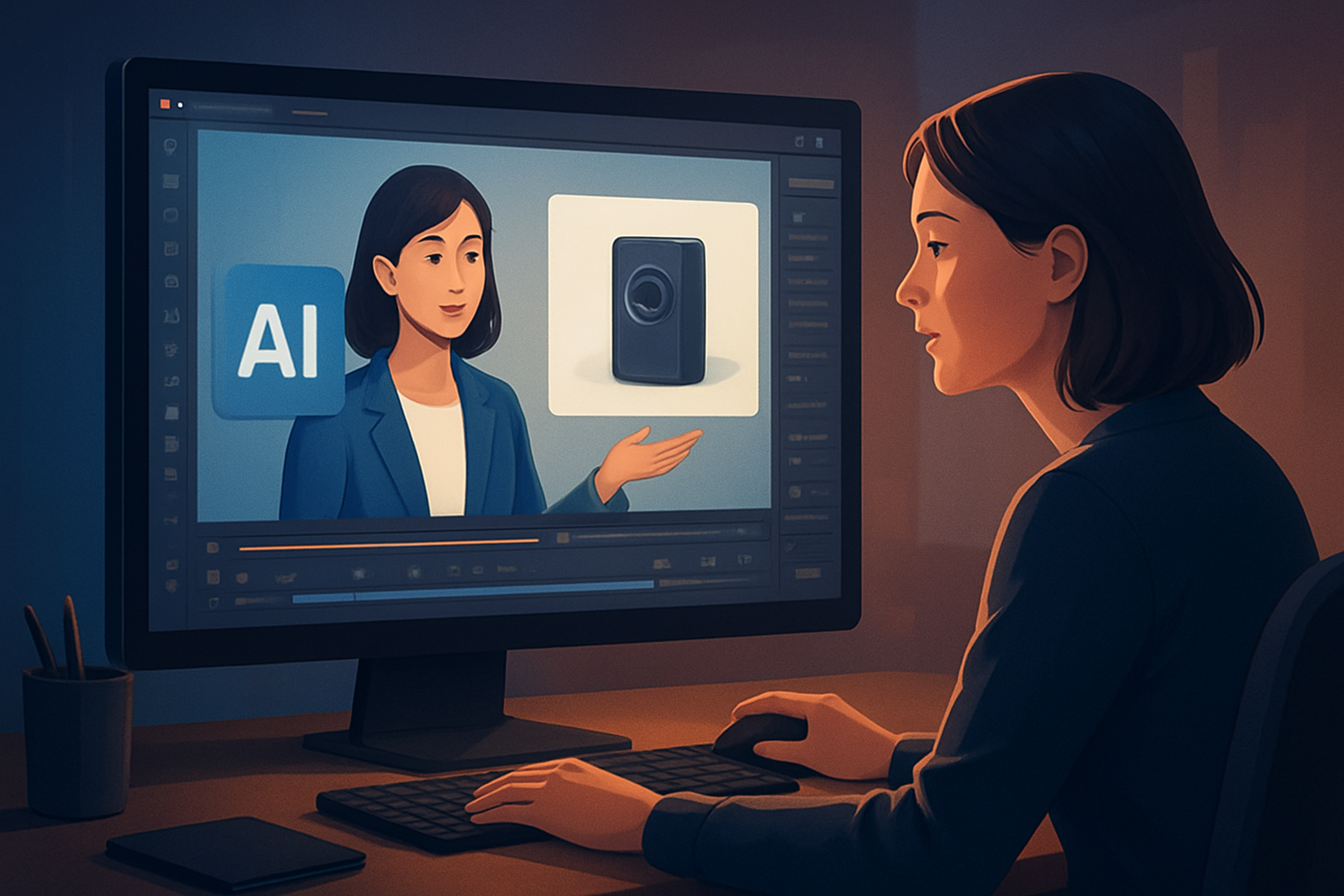
- Use Shorz when you want workflow compression: text-to-video generation from scripts, voice selection and narration preview, local asset import, and a single workspace with subtitle, thumbnail, and multi-ratio previews.
- Project storage: shared network drive or local archive for completed masters and reusable assets.
- Scheduler/publisher: a social manager to queue uploads.
(If you’re evaluating formats, compare text-to-video against slide decks and talking-head approaches to choose the right tradeoffs: Text to Video vs Slide Decks Text to Video vs Talking Head Videos.)
Mistakes to avoid
- Skipping the hook test: if the first 3 seconds don’t work, the rest won’t be watched.
- Starting without style references: generated scenes drift visually without consistent references.
- Treating AI output as finished: rely on finishing controls—subtitles, overlays, timing—before publishing.
- Not saving reusable assets: rebuilding thumbnails and overlays every issue wastes time.
- Ignoring aspect ratios: always preview and export platform-specific crops.
Optimization tips (ops-focused)
- Create a newsletter template inside your editor: pre-built scenes for hook, 2–3 points, CTA, with default subtitle styles and overlay assets.
- Batch narration or voice generation: one recording session equals multiple episodes.
- Use style reference images to lock a consistent look for generated scenes and images.
- Automate thumbnail variants: save a set of tested thumbnail templates and swap copy per issue.
- Measure engagement on hooks and thumbnails, then iterate templates based on what converts.
- Keep a “My Assets” library of icons, branded overlays, and B-roll so every issue reuses the same elements.
How to scale the workflow
- Standardize naming conventions and folder structure for projects, assets, and exports.
- Build a small library of templates for different newsletter sections (teaser, roundup, deep dive).
- Parallelize: separate roles (script editor, narrator, finisher) and hand off project files instead of redoing work.
- Treat the exported master as the canonical source; generate all social formats from that single file to maintain consistency.
- Maintain a project history so you can roll back styles or repurpose past assets for quick turnarounds.
Shorz helps scale by keeping projects and generated assets locally in a persistent workspace so templates, thumbnails, and assets are available for the next issue without re-uploading.
Where Shorz reduces friction
- Script-driven start: Text-to-Video lets you build directly from typed scripts or uploaded speech audio, compressing the time from words to first draft.
- Asset consolidation: import existing footage, images, and downloaded web assets into a local “My Assets” library for reuse.
- Finish controls in one app: subtitles, title hooks, overlays, borders, B-roll placement, and basic visual polish (auto zoom, freeze frames, simple color controls) avoid tool-switching.
- Multi-ratio preview: preview in landscape, portrait, and square without exporting separate files first.
- Thumbnail generation and asset reuse: generate and store thumbnails beside project outputs.
- Repeatability: saved projects and reusable libraries help produce faster first drafts across multiple newsletter issues.
These features position Shorz as a publish-ready workflow tool rather than a raw generator, which is useful for operators who need repeatable, consistent outputs.
FAQs
Q: Can this process produce faceless videos? A: Yes. The workflow supports faceless, script-driven content using generated visuals, imported images, and voice options. Shorz explicitly supports faceless and educational workflows built from scripts.
Q: Do I need cloud storage? A: Not necessarily. Shorz stores projects and generated assets locally (persistent workspace), which supports repeat work and reusable libraries. For team sharing, export assets or sync project folders via your standard shared storage.
Q: Can I preview and export for TikTok and YouTube from the same project? A: Yes. Previewing in multiple aspect ratios and generating thumbnails from the same project makes platform variants easier to produce.
Q: How do I make sure each issue looks consistent? A: Use style reference images, saved templates, and a central asset library. Those elements stabilize look-and-feel across generated scenes.
Next step (CTA)
If you want a practical, repeatable script-to-video playbook that maps to this workflow and shows exactly how to set up scripts, voices, and finishing templates, read the full guide: Script to Video: Complete Guide.