For podcast repurposers making YouTube clips — get finished videos faster
You run a podcast and your backlog of conversations is a goldmine. You want short, clickable YouTube clips (standard uploads and Shorts) without hiring an editor or juggling five apps. This guide is for podcasters who repurpose episodes into YouTube clips and need a repeatable, fast script-to-video and footage-first workflow that produces publish-ready files — thumbnails, subtitles, and all.
Shorz is a Windows desktop AI video production suite built around exactly this problem: compressing the path from source audio/footage to finished social video inside one persistent workspace.
Why this workflow is urgent for podcast clips on YouTube
- YouTube favors frequent, platform-formatted outputs (shorts + landscape clips). Repurposing lets you feed both formats without redoing creative work.
- Podcast archives age well; the bottleneck is production speed, not ideas. Faster first drafts and reusable assets mean more clips per episode.
- Creators who can convert dialogue into visual, captioned, branded videos dominate attention — but they need a workflow that finishes, not just drafts.
If you’re still exporting audio, sending it to a vendor, getting back a raw edit, then polishing in another app, you’re losing weeks of capacity every month. A compact, repeatable workflow turns each episode into a content machine.
Practical workflow you can implement this week
Gather source material (1–2 hours)
- Download the episode file or pull the YouTube URL into your local asset library using Shorz’s URL ingestion feature.
- Collect highlight timestamps and list the 6–8 moments that could be standalone clips.
Choose your path: footage-first or script-led (30–90 minutes per batch)
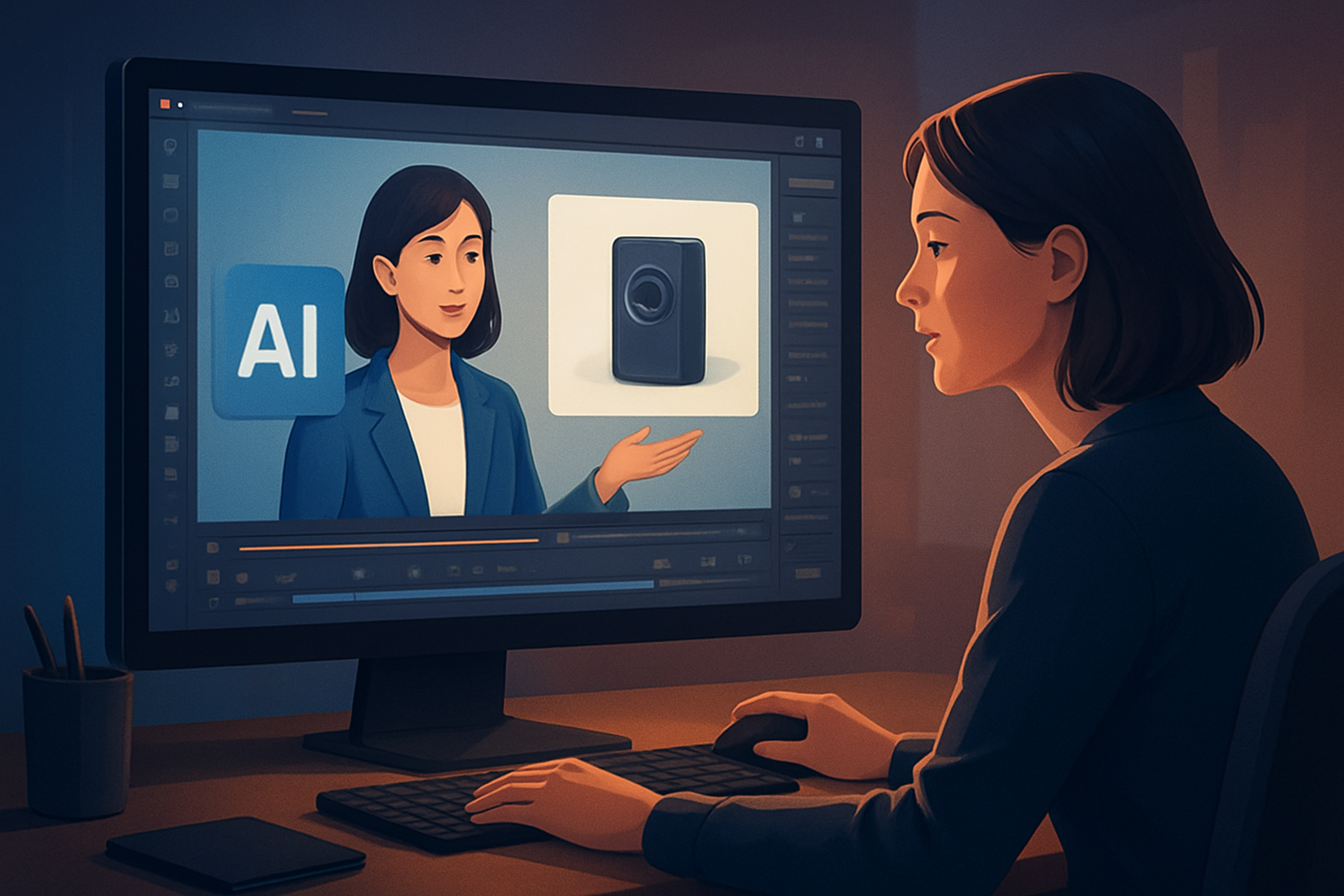
- For clips that come directly from recorded audio/video: use Auto Edit Video. Import the episode footage, transcribe, and let Shorz generate an edit sequence. Review and tweak subtitles, title hooks, and zoom/freeze frames.
- For scripted or narrated micro-episodes: use Text-to-Video. Paste typed scripts or uploaded speech audio, pick voice options, add style reference images, and generate scenes with visuals, subtitles, and motion.
Add finishers (15–30 minutes)
- Apply subtitle styles, title hooks, overlays, borders, and a consistent thumbnail template that Shorz can generate and store with the project.
- Use preview in landscape and vertical ratios to confirm Shorts and full-length previews.
Export and publish (10–20 minutes)
- Render platform-specific outputs (square/portrait/landscape). Package video + thumbnail + captions for upload.
- Maintain the asset library and project history locally for reuse.
Repeat this process weekly and you’ll move from “one clip per episode” to multiple, repeatable assets without extra tool switching.
Two quick templates to try this week
- Auto Edit Template: Import full episode → auto-transcribe → auto-generate 60–90s edits → add title hooks + subtitles → export Shorts and landscape files.
- Script-to-Clip Template: Draft 3 scripted 30–60s hooks from the episode → Text-to-Video with voice selection and style images → add thumbnail and captions → export.
If you want a deeper walk-through of migrating written scripts into videos, see Script to Video: Complete Guide.
Best tool criteria for podcast-to-YouTube repurposing (and where Shorz fits)
- Single persistent workspace that stores projects and assets locally
- Shorz: Stores projects and generated assets on your machine so you can build reusable libraries and consistent branding.
- Support for both footage-first and script-to-video workflows
- Shorz: Includes Auto Edit Video, Text-to-Video, Avatar, and Podcast project types.
- Built-in finishing controls (not just raw AI drafts)
- Shorz: Subtitles, title hooks, B-roll, overlays, borders, music, SFX, auto zoom, face tracking, freeze frames, and basic color controls.
- Multi-ratio previews for platform publishing
- Shorz: Preview and export landscape, portrait, and square for YouTube uploads and Shorts.
- Reusable assets and thumbnail generation
- Shorz: Generate, store, and reuse thumbnails and project assets alongside exported videos.
- Fast ingestion from existing uploads
- Shorz: URL-based ingestion into the local asset library helps repurpose existing YouTube or TikTok material.
For creators cross-posting to other short-form platforms, also see guidance for TikTok and Instagram repurposing: Text to Video for TikTok Creators and Text to Video for Instagram Creators.
Where Shorz sits in your production stack
- Source collection: Pull raw episode files or URLs into Shorz’s local asset library.
- Edit/generate: Use Auto Edit Video for footage-first cutdowns; use Text-to-Video or Podcast mode for script-led or dialogue-based clips.
- Finish: Apply subtitles, title hooks, visual polish, thumbnail generation, and platform previews inside the same project.
- Export: Output platform-specific files and packaged assets for YouTube uploads and scheduling.
- Archive: Keep the project and assets locally for consistent branding and faster future edits.
This keeps the heavy lifting inside one app so you spend less time moving files between tools and more time publishing.
FAQ — Podcast repurposers making YouTube clips
Q: Should I use Auto Edit Video or Text-to-Video for podcast clips? A: Use Auto Edit Video when you want true footage-first edits from recorded episodes (fast highlight extraction). Use Text-to-Video when you want scripted micro-episodes, faceless explainers, or when you plan to generate visuals around a written hook.
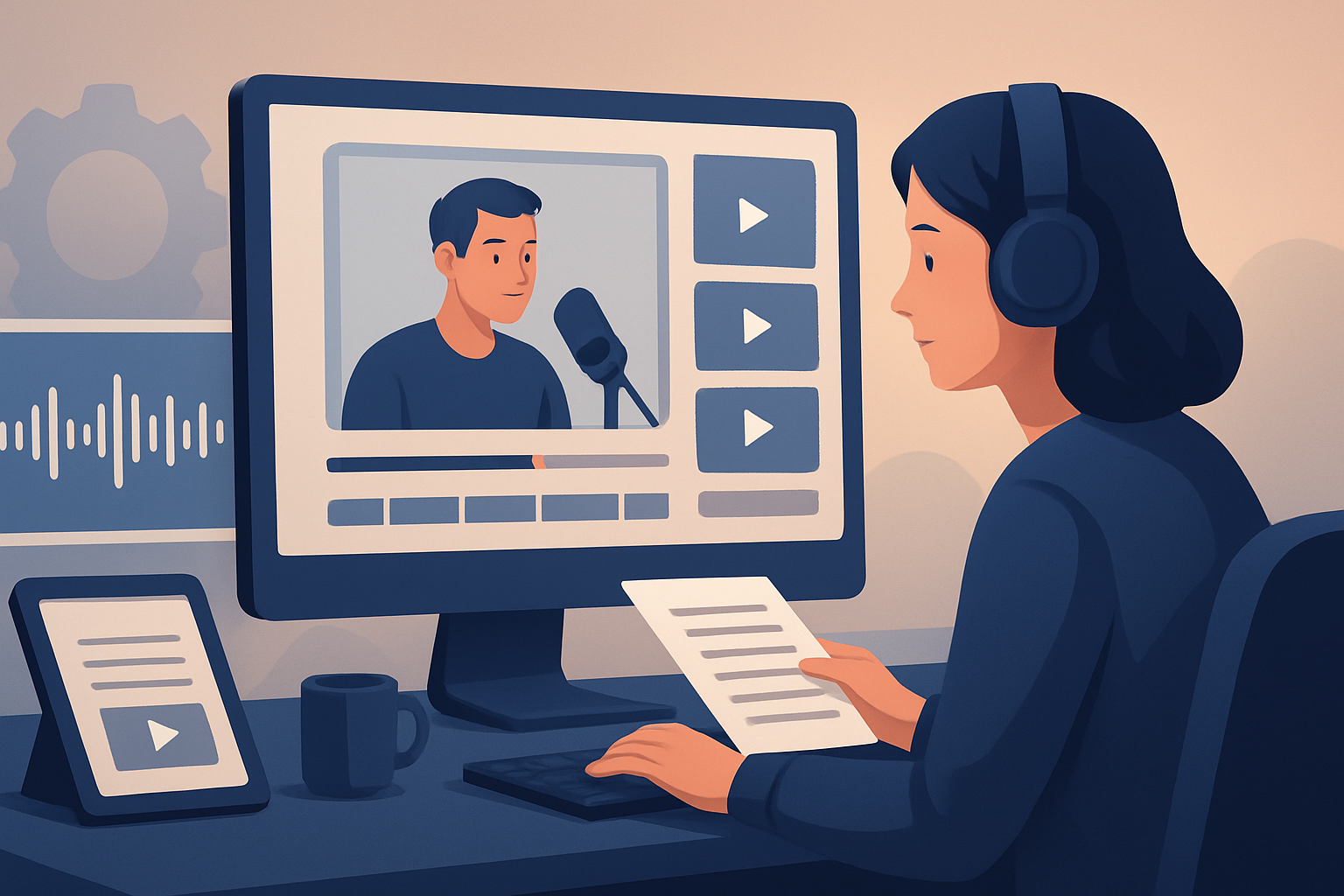
Q: Can I create two-person dialogue clips without two cameras? A: Yes. Shorz’s Podcast mode is built for dialogue workflows — you can script interviewer/interviewee turns, select voices, upload or generate avatars, and render dialogue-based clips without filming a two-person setup.
Q: How do I keep visual consistency across dozens of weekly clips? A: Store style reference images and reusable assets in Shorz’s local library. Use the same subtitle style, title hooks, overlays, and thumbnail templates to lock in a visual identity.
Q: Will I need another app to make thumbnails and captions? A: Shorz can generate and store thumbnails and includes subtitle/packaging layers, reducing the need to switch to a separate graphic or captioning tool.
Q: How do I prepare for Shorts and standard YouTube uploads? A: Use Shorz’s preview for portrait and landscape. Design a primary edit, then adjust framing and overlays for the vertical Short. Export both versions from the same project.
Q: Can I start this workflow this week even with minimal setup? A: Yes. Import one episode, pick 3 highlight moments, and run one Auto Edit or Text-to-Video pass. Expect a finished clip, thumbnail, and captions within a few hours.
Ready to compress your podcast->YouTube workflow?
If you want to move from ideas and audio to repeatable, publish-ready videos faster, try the script-to-video workflow next. It’s built into the same Shorz workspace you’ll use for footage-first edits and podcast dialogue production. Learn the full script-to-video approach here: Script to Video: Complete Guide.
Start turning your episodes into consistent, high-output YouTube clips this week.