The core bottleneck for faceless YouTube automation
Most faceless channels fail to scale because they treat video production as a creative one-off instead of a repeatable system. The real bottleneck isn’t ideas — it’s moving from script to publish-ready video with consistent hooks, thumbnails, subtitles, and formats for Shorts/long-form without tool-hopping or redoing the same fixes every time.
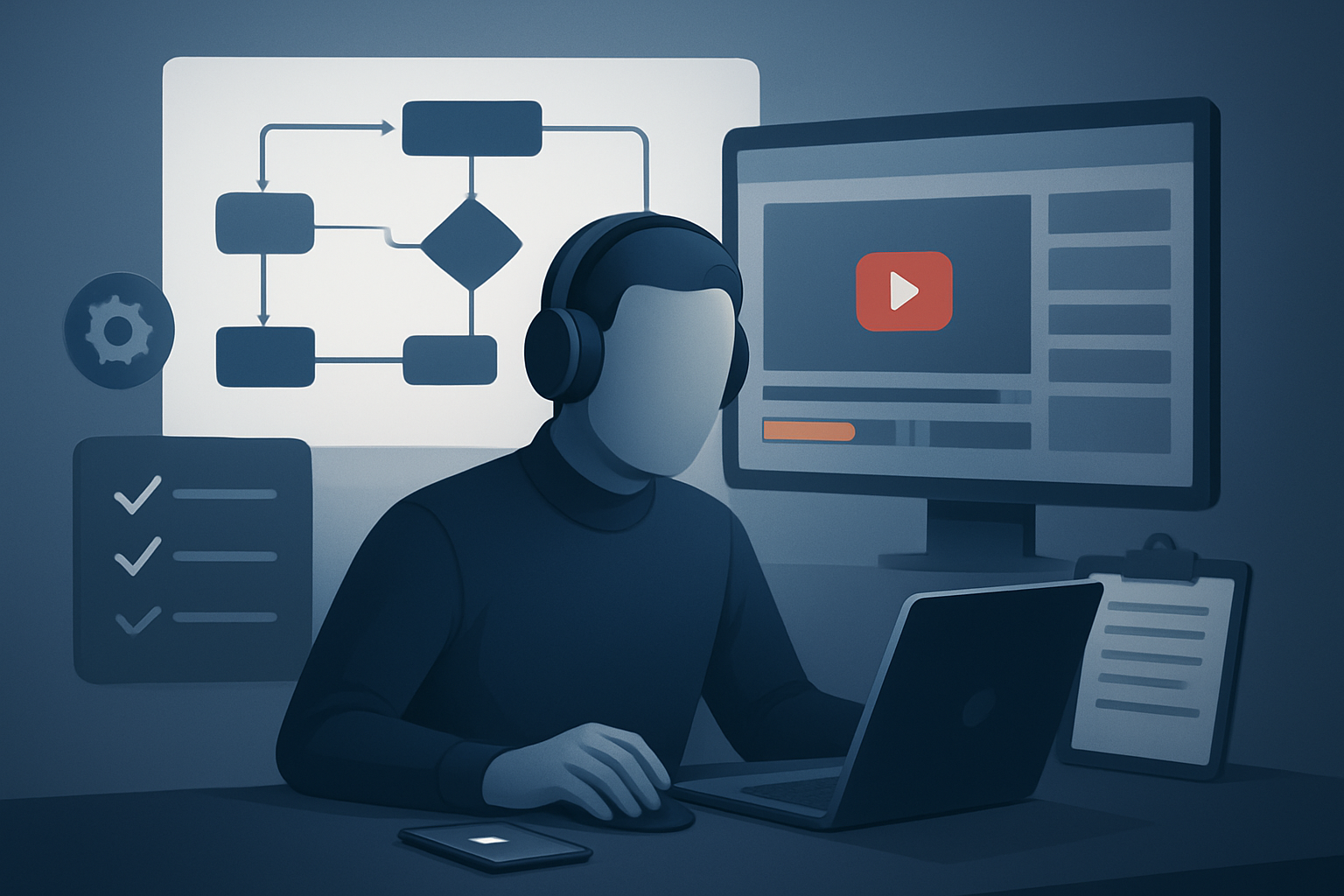
This article gives a step-by-step, operator-focused workflow you can repeat daily or weekly to run a faceless YouTube automation setup that prioritizes throughput, consistency, and predictable performance.
Step-by-step workflow (repeatable system)
Collect & prioritize ideas
- Capture ideas in a shared backlog (short headline + target keyword + angle).
- Score by search intent + expected retention (hook potential).
Batch script & titles
- Write 5–10 short scripts or outlines (60–180 sec for long-format, 15–60 sec for Shorts).
- Create 3 title/hook variants per video: YouTube main title, thumbnail hook, short caption.
- Save scripts in a structured folder or a content doc template.
Generate narration
- Choose between uploaded human voiceovers or TTS.
- If using TTS, produce a single “channel” voice profile for consistency (many faceless channels reuse the same voice).
- Export audio files to your asset library.
Build visuals (single workspace)
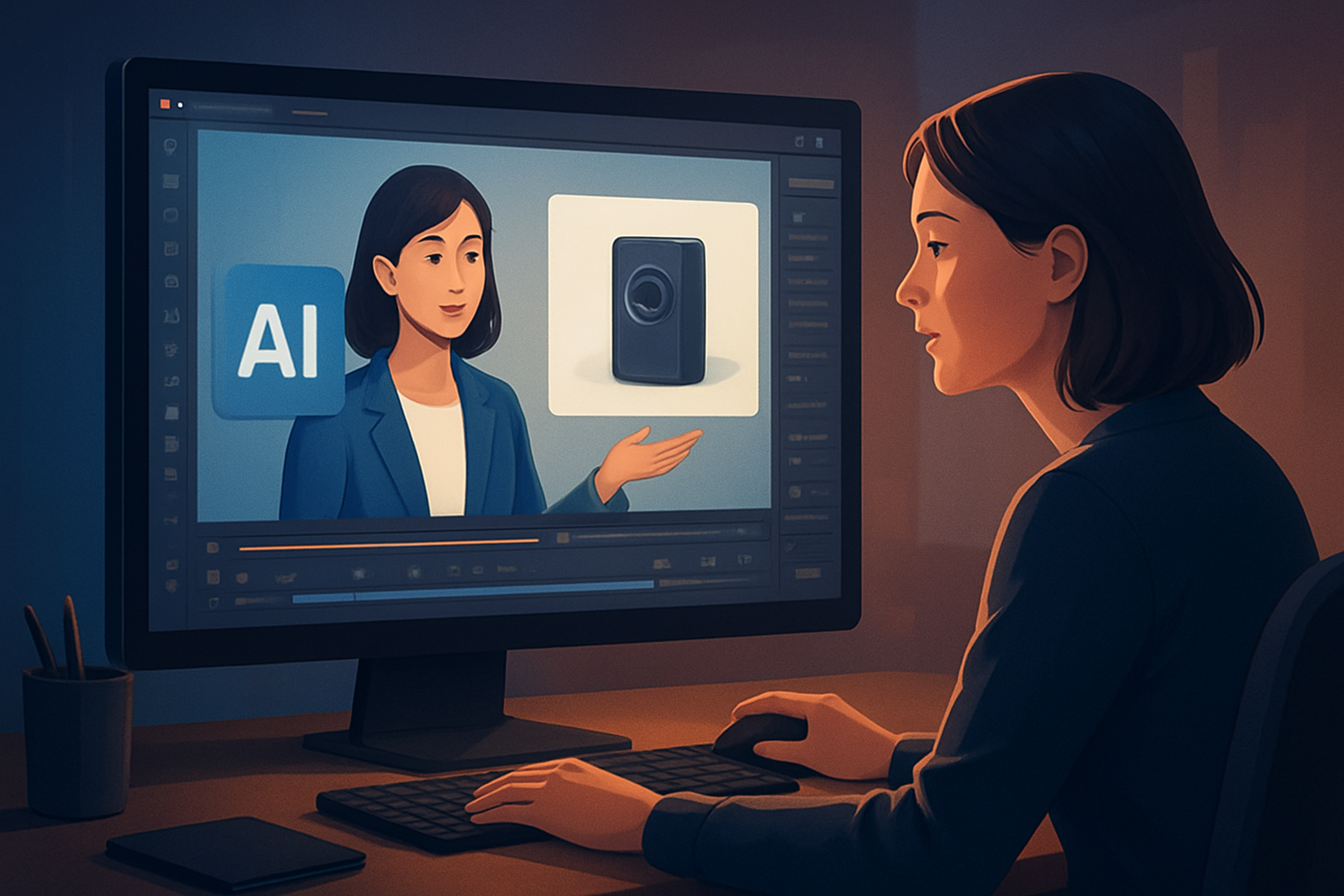
- Import scripts and narration into a single project environment that supports script-to-video, scene generation, and imported assets.
- Assemble scenes with generated images, stock B-roll, motion, and title hooks.
- Add subtitles and preview in landscape, portrait, and square to ensure multi-platform fit.
Finish: polish & packaging
- Apply visual polish (auto zooms, freeze-frames, subtle color tweaks).
- Mix music and SFX, add overlays, borders, and branded intro/outro.
- Generate thumbnails and export variants for testing.
Publish & iterate
- Upload with A/B title/thumbnail tests as needed.
- Track retention and click data. Feed learnings back into the idea backlog.
Repeat with templates
- Convert successful projects into templates: scene orders, subtitle styles, thumbnail presets.
If you want a compact system for creators and agencies, see these starter guides: YouTube Automation Workflow for Beginners, YouTube Automation Workflow for Creators, YouTube Automation Workflow for Agencies.
Tools you need (minimal, operational)
- Script editor: Google Docs, Notion, or any plain text editor for templates.
- Voice: TTS engine or recorded voiceovers (exported audio files).
- Video workstation: a desktop editor that consolidates script-to-video, scene building, subtitles, and thumbnail generation (Shorz is an example of a Windows desktop AI video production suite that compresses these steps into one workspace).
- Asset storage: local or shared drive for consistent reusable assets (logos, fonts, music stems).
- Thumbnail editor (optional): can be part of the video workstation or a light image tool.
- Analytics & scheduling: YouTube Studio, plus any scheduling helper you prefer.
Shorz specifically supports importing footage and assets, text-to-video from scripts, voice upload and selection, subtitle systems, thumbnail generation, and preview/export in multiple aspect ratios, which reduces context switching during the build and finish phases.
Where Shorz reduces friction in this workflow
- Faster first drafts: script-to-video and Auto Edit Video modes speed from script + audio to scene rough cut in one workspace.
- Less tool switching: import assets, generate images/video, add subtitles, and output thumbnails without leaving the app.
- Reusable libraries: the My Assets system stores videos, images, audio, and generated thumbnails so you can build templates and reuse brand elements quickly.
- Consistent multi-platform outputs: preview and export in landscape, portrait, and square from the same project, avoiding separate reworks for Shorts vs long-form.
- Finishing controls after AI generation: Shorz combines AI generation with edit and polish tools (subtitles, hooks, B-roll, overlays, zoom/track effects, color tweaks), so you don’t end up with a raw first draft that still needs a separate editor.
Common mistakes to avoid
- Treating each video as unique: never rebuild the same scene order or subtitle styling from scratch.
- Skipping style references: for script-to-video generation, use style reference images to maintain visual consistency across episodes.
- Over-optimizing thumbnails before testing: generate 2–3 thumbnail variants and test click performance; don’t over-polish a single static design.
- Not batching voice work: switching voice profiles every video kills brand recognition.
- Ignoring aspect ratios: failing to preview in Shorts/vertical formats forces manual re-crops later.
Optimization tips (practical, measurable)
- Hook-first scripts: write your first 5–10 seconds as a micro-CTA that promises value — write three variants and test.
- Subtitle-first edits: enable subtitle-first workflows so you control pacing and retention; export captions with timestamps.
- Thumbnail templates: create 2 thumbnail templates per series and store them in your asset library for quick generation.
- Reuse B-roll buckets: categorize B-roll by topic and store in your asset system for faster scene assembly.
- Export variants: always export a 16:9 and a 9:16 from the same project to feed both YouTube and Shorts without rebuilding.
How to scale the workflow
- Templates: turn consistent projects into templates for script, scene order, transitions, and thumbnail layouts.
- Batch recording/generation: produce narration and visuals in blocks (e.g., record/set up 10 scripts then generate audio for all).
- Delegate finishing: train an editor to use your templates and saved asset library to finish projects to spec.
- Operationalize naming: use strict file naming for assets and projects so automation hooks work (e.g., video_topic_date_v1).
- KPI-driven tweaks: measure retention by cohort and apply small tweaks in hooks and thumbnail strategies across batches.
Shorz’s persistent local projects and reusable asset libraries make templates and batch re-use straightforward and repeatable, which helps scale output without redoing manual setup for each video.
FAQ
Q: Can I do fully faceless videos with this workflow? A: Yes. Use script-to-video, TTS or uploaded voice, generated images/B-roll, and avatar or text overlays. Keep branding consistent via saved styles and asset libraries.
Q: Do I need multiple apps to follow this process? A: Aim to minimize tools. Use a script editor and a desktop video workstation that supports Text-to-Video, thumbnails, subtitles, and multi-aspect previews to compress the workflow into fewer tools. Shorz is built to support those consolidated steps on Windows.
Q: How do I test thumbnails and hooks? A: Produce 2–3 thumbnail/title variants per video, upload them with staggered publish metadata, and observe CTR and first-minute retention. Iterate templates based on winners.
Q: What’s the quickest way to move from idea to publishable draft? A: Batch scripts → generate narration → import into a single project workspace that supports automated scene assembly and immediate finishing controls. That produces faster first drafts you can polish and publish.
Q: Is this workflow suitable for agencies? A: Yes—use templates, saved asset libraries, and consistent naming conventions to run repeatable production across clients. For agency-focused patterns and operations, see this guide: YouTube Automation Workflow for Agencies.
Next step / CTA
If you run a faceless channel and want a repeatable, publish-ready workflow that compresses drafting, editing, finishing, and thumbnail production into one local workspace, explore how Shorz frames faceless production and templates: Faceless YouTube Workflow With Shorz. For workflow primers and role-specific how-tos, check these quick reads: YouTube Automation Workflow for Beginners, YouTube Automation Workflow for Creators.